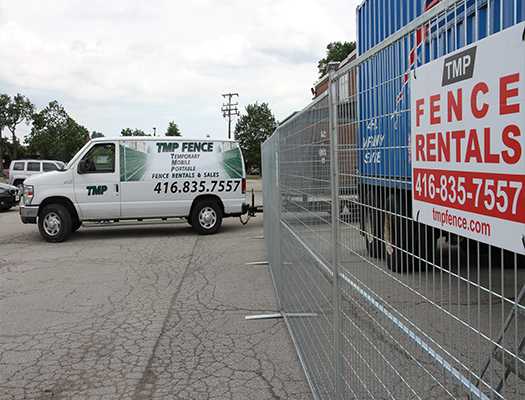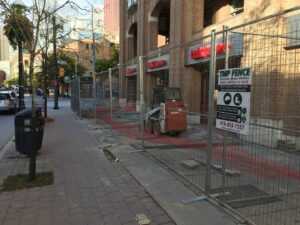

Picture this: you’re managing a bustling construction site in downtown Toronto, with the CN Tower peeking over the horizon. The last thing you need is unauthorized folks wandering in or equipment vanishing overnight. That’s where commercial temporary fencing rental comes in handy. It’s a straightforward way to keep things secure without the hassle of permanent setups. In this guide, we’ll cover everything from basics to trends, drawing from chats I’ve had with site managers across the GTA. Whether you’re prepping for a high-rise build or a quick reno, you’ll find practical tips here.
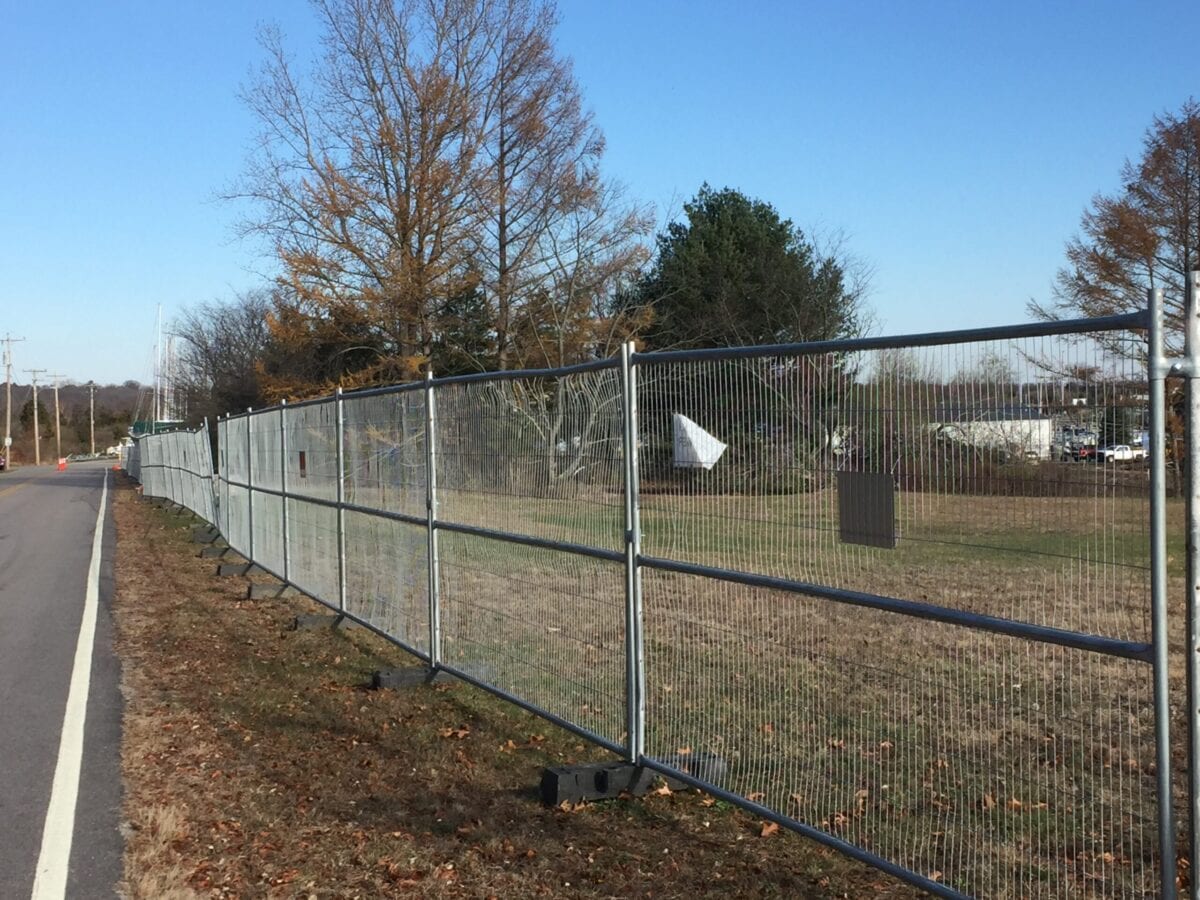
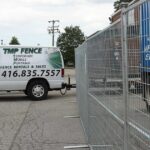
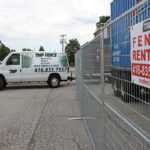
Temporary fencing isn’t just metal panels slapped together. It’s about creating safe, controlled spaces that fit your project’s timeline. Companies like TMP Fence in Toronto have been at it for over 20 years, offering rentals that include delivery, setup, and takedown. No need to worry about storage or maintenance afterward. From my experience, this flexibility saves businesses time and cash, especially in a city where space is at a premium.
What Exactly is Commercial Temporary Fencing?
Let’s break it down. Commercial temporary fencing refers to portable barriers used for short-term needs in business settings. Think chain-link panels, often 6 to 8 feet high, that lock together for quick assembly. They’re designed to withstand Toronto’s unpredictable weather – from summer humidity to winter snow loads.
Why “commercial”? It’s geared toward larger-scale uses, like securing industrial yards or event venues, unlike lighter residential options. In Canada, these fences must meet safety standards, such as those outlined in Ontario’s Occupational Health and Safety Act Regulation 213/91, which mandates fencing to protect the public around construction sites. Typically, they need to be at least 1.8 metres tall for most projects.
I’ve seen teams in Toronto’s sustainability scene, like those near the waterfront developments, opt for fences with added features. Things like privacy screens or wind-resistant bases make a big difference. If you’re in Montreal’s bilingual hustle, similar rules apply under Quebec’s safety codes, but always check local bylaws.
Benefits of Renting Over Buying for Canadian Businesses
Renting temporary fencing makes sense for most projects. You avoid upfront costs – buying could set you back thousands, while rentals start low and scale with duration. Plus, providers handle logistics, so your crew focuses on the work.
Take security: these fences deter theft, which is rampant on Canadian sites. Stats show over 35,000 construction injuries happened in 2024, many preventable with proper barriers. Fencing reduces falls and unauthorized access, keeping everyone safe. In Vancouver’s tech hubs, where projects move fast, renting allows quick adjustments without ownership headaches.
Another perk? Customization. Add gates, lighting, or even cameras for extra protection. From chats with folks in the field, this integration cuts down on insurance claims. And for eco-conscious Toronto firms, many rentals now use recyclable materials, aligning with the city’s green initiatives.
Key Applications in Toronto and Beyond
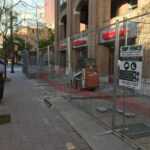
Commercial temporary fencing shines in construction. It creates perimeters around sites, protecting workers and passersby. For events, like Toronto’s film festivals or Montreal’s jazz fests, it manages crowds effectively.
In infrastructure projects, such as roadworks along Halifax’s waterfront, fences secure equipment overnight. Industries like oil and gas in Calgary use them for remote sites, where durability is key. Even retail pop-ups in Vancouver benefit from quick setups.
One offbeat fact: during the 2025 infrastructure boom, fencing helped contain dust in urban areas, improving air quality. Linking back to benefits, this ties into safety regs – non-compliance can lead to fines under PIPEDA if data on site plans leaks, but secure fencing minimizes risks.
For a visual, add an infographic here comparing applications: construction (70%), events (20%), other (10%), based on market data.
How to Choose the Right Temporary Fencing Provider
Start with experience. Look for companies like TMP Fence, serving Toronto for decades. Check if they offer full service – delivery, install, removal – to avoid surprises.
Consider types: chain-link for budget jobs, steel picket for high-security. Match to your needs; anti-climb options for theft-prone areas.
Ask about compliance. In Canada, providers should align with CSA standards for materials. Get quotes from a few, and read reviews. From my Calgary coffee shop stumble, one manager swore by local knowledge for navigating permits.
Curious about event-specific options? Check our event fencing rentals.
For more on safety regs, visit the Ontario Ministry of Labour.
Recent Trends in Commercial Temporary Fencing Rental
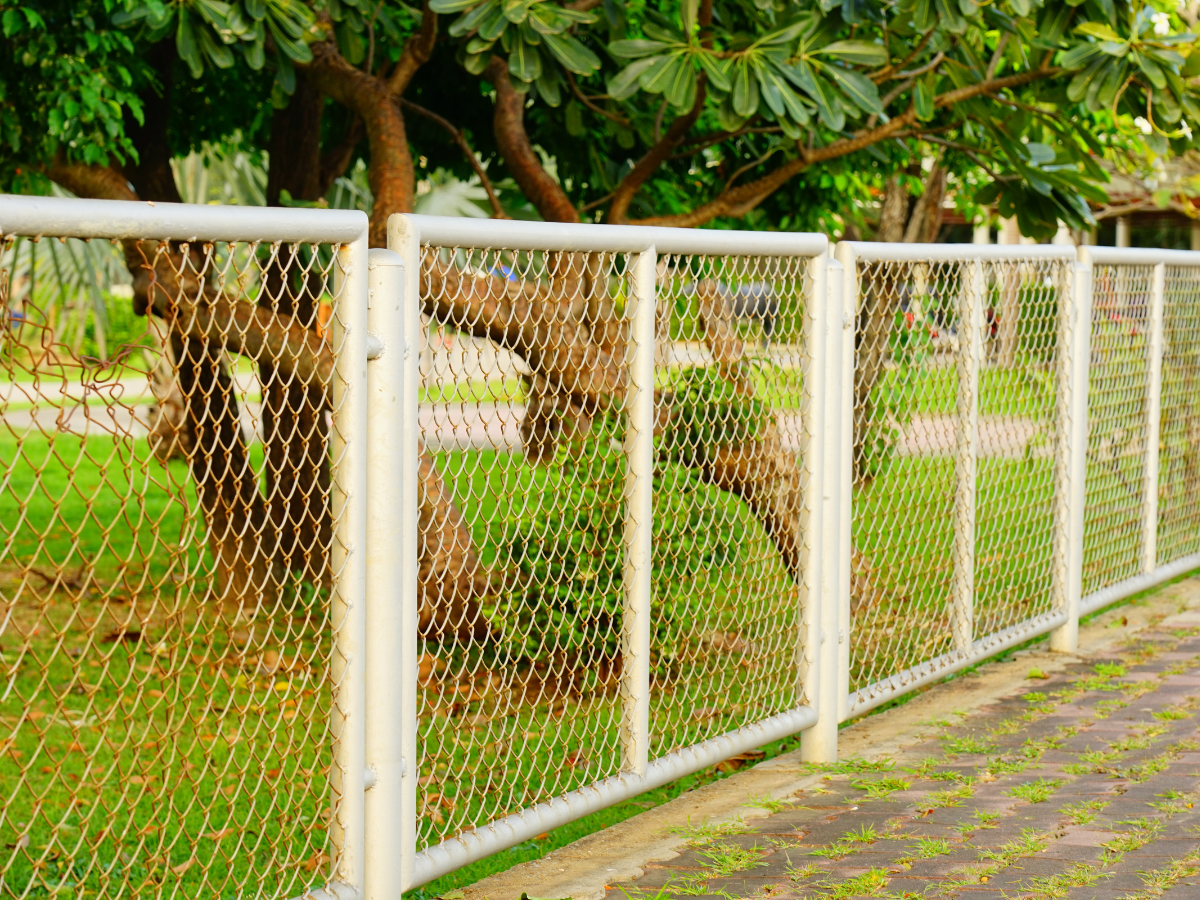
The market’s heating up. Canada’s temporary fence rental sector hit USD 1.2 billion in 2024, eyeing 2.5 billion by 2033. What’s driving it? Surging construction and infrastructure spends.
Innovations include smart fencing with sensors for real-time monitoring – perfect for Toronto’s smart city push. Sustainable materials, like recycled steel, are big in Vancouver’s green scene.
Modular systems allow easy reconfiguration, cutting setup time by 30%. As of 2025, expect more AI-integrated options for predictive maintenance. This freshness keeps your project ahead.
Common Questions About Temporary Fencing Rental
To wrap up the user journey, here’s a Q&A block. Recommend FAQ schema markup for this section to snag rich snippets.
Q: How much does commercial temporary fencing rental cost in Toronto?
A: It varies by size and duration, but expect $2–$5 per linear foot per month. Contact providers for quotes.
Q: Do I need permits for temporary fencing?
A: Often yes, especially near public areas. Check with your municipality – in Ontario, it’s tied to building codes.
Q: How long does installation take?
A: A pro team can set up 500 feet in a few hours, depending on terrain.
Q: Can I add extras like gates or screens?
A: Absolutely, most rentals offer custom add-ons for privacy or access.
What do you think? Have you used temporary fencing on a project? Share in the comments!