In Canada’s dynamic commercial landscape, temporary fencing rental has emerged as an indispensable solution for businesses managing construction sites, events, and other short-term projects. Offering flexibility, security, and compliance with stringent regulations, renting temporary fencing meets the diverse needs of commercial enterprises across the country. This guide delves into the essentials of commercial temporary fencing rental in Toronto, exploring its definition, benefits, types, selection process, legal considerations, and costs. Designed for Canadian businesses, this article provides actionable insights to optimize your project’s safety and efficiency.
What is Commercial Temporary Fencing Rental?
Commercial temporary fencing rental involves leasing portable barriers to secure and control access to commercial sites for a limited duration. These fences, often constructed from materials like galvanized steel, wire mesh, or high-strength plastic, are installed to create a temporary perimeter around areas such as construction zones, event venues, or industrial sites. Unlike permanent fencing, temporary fencing is designed for easy installation, removal, and relocation, making it ideal for projects with finite timelines or evolving requirements.
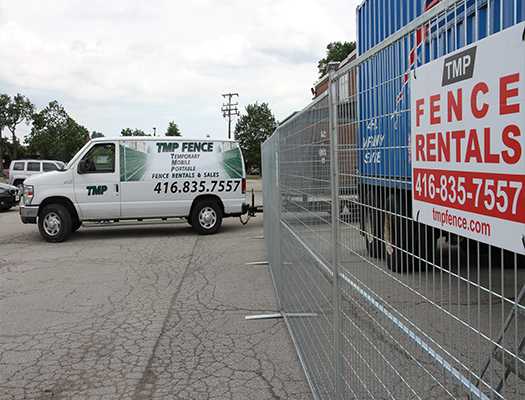
In the Canadian context, temporary fencing serves a critical role in ensuring safety and security. For instance, construction sites in bustling cities like Toronto or Vancouver require clear boundaries to protect workers and the public from hazards. Similarly, commercial events in Calgary or Montreal rely on temporary fencing to manage crowds and safeguard assets. Companies like TMP Fence, a Canadian provider of temporary fencing solutions, emphasize its utility in meeting these needs with customizable, high-quality options.
Why Rent Temporary Fencing for Commercial Projects?
Renting temporary fencing offers Canadian businesses a range of advantages, blending practicality with cost-efficiency. Here are the key benefits:
- Cost Savings: Purchasing fencing outright involves significant upfront costs, storage expenses, and ongoing maintenance. Renting, however, provides access to premium fencing without these burdens, making it an economical choice for short-term needs.
- Adaptability: Temporary fencing can be tailored to suit specific project demands, whether it’s expanding a perimeter or adding gates for access control. This flexibility is invaluable for dynamic commercial environments.
- Rapid Deployment: Professional rental services, such as those offered by TMP Fence, handle installation and removal, minimizing downtime and allowing project teams to focus on their core responsibilities.
- Safety and Compliance: Canada’s rigorous safety standards, including the Occupational Health and Safety Act (OHSA), mandate secure site perimeters. Temporary fencing ensures compliance, reducing liability risks.
- Security Enhancement: By deterring theft and vandalism, temporary fencing protects valuable equipment and materials, a critical concern for commercial projects in urban or remote areas.
These benefits position temporary fencing rental as a strategic asset for Canadian businesses seeking operational efficiency and regulatory adherence.
Types of Temporary Fencing Available for Commercial Use
The variety of temporary fencing options ensures businesses can find a solution suited to their specific needs. Below are the primary types available in Canada:
Chain Link Fencing
Chain link fencing, constructed from galvanized steel, is a robust choice for commercial projects requiring durability. Its open mesh design offers visibility while maintaining a strong barrier, making it ideal for construction sites. Optional privacy screens can enhance security and aesthetics, as noted by providers like TMP Fence.
Panel Fencing
Panel fencing features interlocking metal or plastic panels that are quick to install and dismantle. Its portability suits short-term projects or events, such as trade shows or festivals, where layouts may shift. This type excels in scenarios demanding frequent adjustments.
Barricade Fencing
Lightweight and versatile, barricade fencing is designed for crowd and traffic management. Often used alongside other fencing types, it directs pedestrian flow or secures pathways, proving essential for busy commercial settings like outdoor markets or public events.
Accessories: Privacy Screens and Gates
Accessories like privacy screens, attachable to chain link or panel fencing, conceal sites from public view, enhancing professionalism in urban areas. Gates, meanwhile, provide controlled entry points, balancing security with accessibility.
Choosing the right type depends on your project’s scope, duration, and environmental factors, ensuring optimal performance throughout its lifecycle.
How to Choose a Temporary Fencing Rental Service in Canada
Selecting a reputable rental provider is pivotal to your project’s success. Consider these factors when evaluating options:
- Industry Experience: Opt for a provider with extensive experience in commercial projects. Companies like TMP Fence demonstrate expertise through their tailored offerings for Canadian businesses.
- Diverse Inventory: A quality service should provide multiple fencing types, chain link, panels, barricades, and accessories to address varied needs.
- Service Inclusion: Look for comprehensive packages that include delivery, installation, maintenance, and removal. This ensures seamless integration into your project timeline.
- Pricing Clarity: Transparent quotes detailing all costs, rental fees, installation, and additional services, prevent unexpected expenses. Compare multiple providers for competitive rates.
- Support Availability: Responsive customer service, ideally 24/7, ensures prompt resolution of issues, such as damaged fencing or urgent adjustments.
By prioritizing these elements, you can secure a partnership that delivers reliable, high-quality fencing solutions.
The Rental Process: Step-by-Step
Navigating the rental process is straightforward with proper planning. Follow these steps to secure temporary fencing for your commercial project:
- Define Requirements: Assess the site’s size, security needs, and any special features (e.g., gates or screens) to determine the fencing type and quantity.
- Identify Providers: Research local companies with strong reputations. Online reviews and industry recommendations can guide your choice.
- Obtain Quotes: Submit your project details, location, duration, fencing type, to multiple providers for detailed cost estimates.
- Evaluate Terms: Review rental agreements for clarity on pricing, responsibilities, and timelines. Ensure all promised services are included.
- Coordinate Installation: Schedule fencing delivery and setup to align with your project’s start date, verifying compliance with specifications.
- Monitor Usage: Inspect the fencing periodically during the rental period, reporting any concerns to the provider for swift action.
- Plan Removal: Arrange dismantling and pickup once the project concludes, ensuring the site is cleared efficiently.
This structured approach streamlines the process, keeping your project on track.
Legal and Regulatory Considerations in Canada
Compliance with Canadian regulations is non-negotiable for commercial temporary fencing. Key considerations include:
- Occupational Health and Safety Act (OHSA): This federal law requires secure perimeters around hazardous sites, such as construction zones, to protect workers and the public.
- Provincial Standards: Provinces like Ontario and Alberta enforce building codes specifying fencing height, strength, and placement. Check regional guidelines to ensure adherence.
- Local Bylaws: Municipalities may impose additional rules, especially in densely populated areas. For example, Vancouver may require permits for fencing near public spaces.
- Environmental Compliance: Projects near wetlands or wildlife habitats must use fencing that minimizes ecological impact, per federal and provincial environmental laws.
Engaging a rental provider familiar with these regulations, like TMP Fence, ensures your fencing meets all legal standards, avoiding costly penalties or delays.
Real-World Examples of Temporary Fencing in Action
Practical applications illustrate the value of temporary fencing rental in Canada:
Toronto Construction Site
A mid-sized construction firm in Toronto rented chain link fencing with privacy screens for a commercial development. The fencing secured the site while maintaining a discreet presence in a residential area, with TMP Fence’s prompt installation keeping the project on schedule.
Mississauga Event Management
During a Mississauga trade expo, organizers used panel fencing to delineate vendor zones and control crowd flow. The fencing’s adaptability allowed for last-minute layout changes, supported by the rental company’s efficient service.
These examples underscore how temporary fencing enhances safety and functionality across Canadian commercial contexts.
Cost Factors in Temporary Fencing Rental
The cost of renting temporary fencing varies based on several elements:
- Fencing Type: Chain link may be less expensive than panel fencing, depending on project needs and duration.
- Rental Period: Extended rentals often benefit from lower rates, while short-term leases may carry higher daily fees.
- Service Add-Ons: Installation, removal, and maintenance services increase costs but save time and effort.
- Location: Urban centres like Edmonton or Montreal may see higher prices due to logistics and demand.
While exact costs depend on the provider, renting typically proves more economical than purchasing for temporary projects, eliminating long-term storage and upkeep expenses.
Commercial temporary fencing rental is a cornerstone of effective project management in Canada, offering a blend of security, flexibility, and cost-efficiency. From construction sites to event venues, the right fencing solution safeguards assets, ensures safety, and meets regulatory demands. By selecting a reputable provider like TMP Fence, businesses can access tailored fencing options backed by professional service.
For your next commercial endeavour, explore the advantages of temporary fencing rental. Reach out to a trusted Canadian supplier to secure a solution that elevates your project’s success.
Note: This article provides general guidance. Consult local authorities or professionals for specific regulatory advice.